
BY PARKER SULLIVAN
An already full table of global and national issues was added to over the summer. A debate over the national minimum wage began.
As of today, the national mandate for minimum wage is $7.25 an hour (put into law in 2009), though many states have passed legislation that calls for minimum wage higher than the national mandate.
According to the United States Bureau of Labor, twenty-one states currently have minimum wages higher than the national mandate, nine of which exceed the national wage by a full dollar.
President Barack Obama is calling for the national minimum wage to be raised to $10.10 an hour, which would exceed all state minimum wages.
According to the Department of Health and Human Services, the national threshold for the federal poverty line–the line at which someone needs federal financial aid in order to live their lives–is $11,490 for an individual, $15,510 for a married couple, and $23,550 for a family of four.
An annual salary of a minimum wage worker is approximately $15,080 which means a married couple with one worker would exist below the poverty line and a family of four with one worker would be $8,470 below.
Additionally, because the wage has not been indexed for inflation, the minimum wage workers have about ninety percent of the spending power they had in 2009 when the wage was passed. This means that the amount of money they are currently earning is the same but has less value overall than it did when the wage was changed.
“This should be unacceptable in a country as prosperous as the United States,” says political science major at Rhodes College and 2014 Mariemont graduate Grant Ramey in an essay he wrote on the debate.
“Raising the minimum wage would be an increase in the salaries of minimum wage workers, allowing them more buying power and money to save/use for longer term goals,” says Ramey. Ramey explains that if low income workers gain buying power, this could result in stimulating businesses in low income areas as well.
Ramey says that raising the minimum wage could have some negative effects, though, on the low income workers.
“Two potential disadvantages would be increased unemployment if businesses laid off workers in response to an increase in the minimum wage and products becoming more expensive since labor would be more expensive,” says Ramey. Though Ramey explains that there are two studies that indicate that this will not likely occur.
Another part of the debate is whether the states or the national government should mandate the new wage. Connecticut has
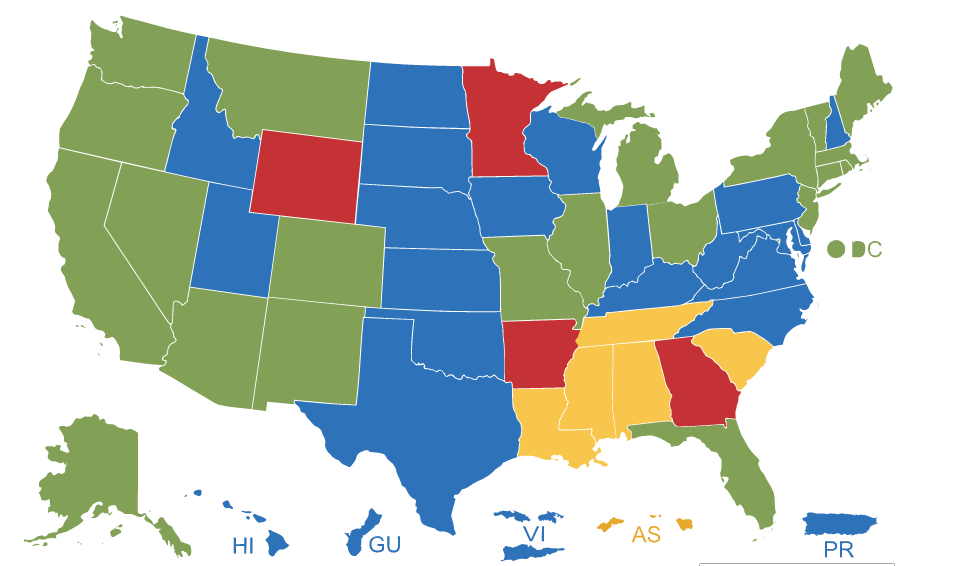
already answered Obama’s call, passing a bill that will make the statewide minimum wage 10.10 an hour by 2017, with the wage increasing by smaller increments each year.
If the states are given the the keys to this problem, it could result in low income workers being neglected. For example, Arkansas, Georgia, and Wyoming currently have minimum wages less than the national mandate (Arkansas 6.25, Georgia 5.15, Wyoming 5.15).
The federal government should instead follow the lead of Connecticut. Raising incrementally will allow time for businesses to adjust to high labor costs. The wage should also be indexed to adjust with inflation. This will ensure that low income workers won’t lose spending power in times of political grid lock.
The wage should be raised because the bare minimum in a country as wealthy as America should be much higher than poverty. At this point in time we are letting our citizens drift in the realm of poverty and in a nation this powerful, we should be doing the opposite.