
BY HUNTER THIERS
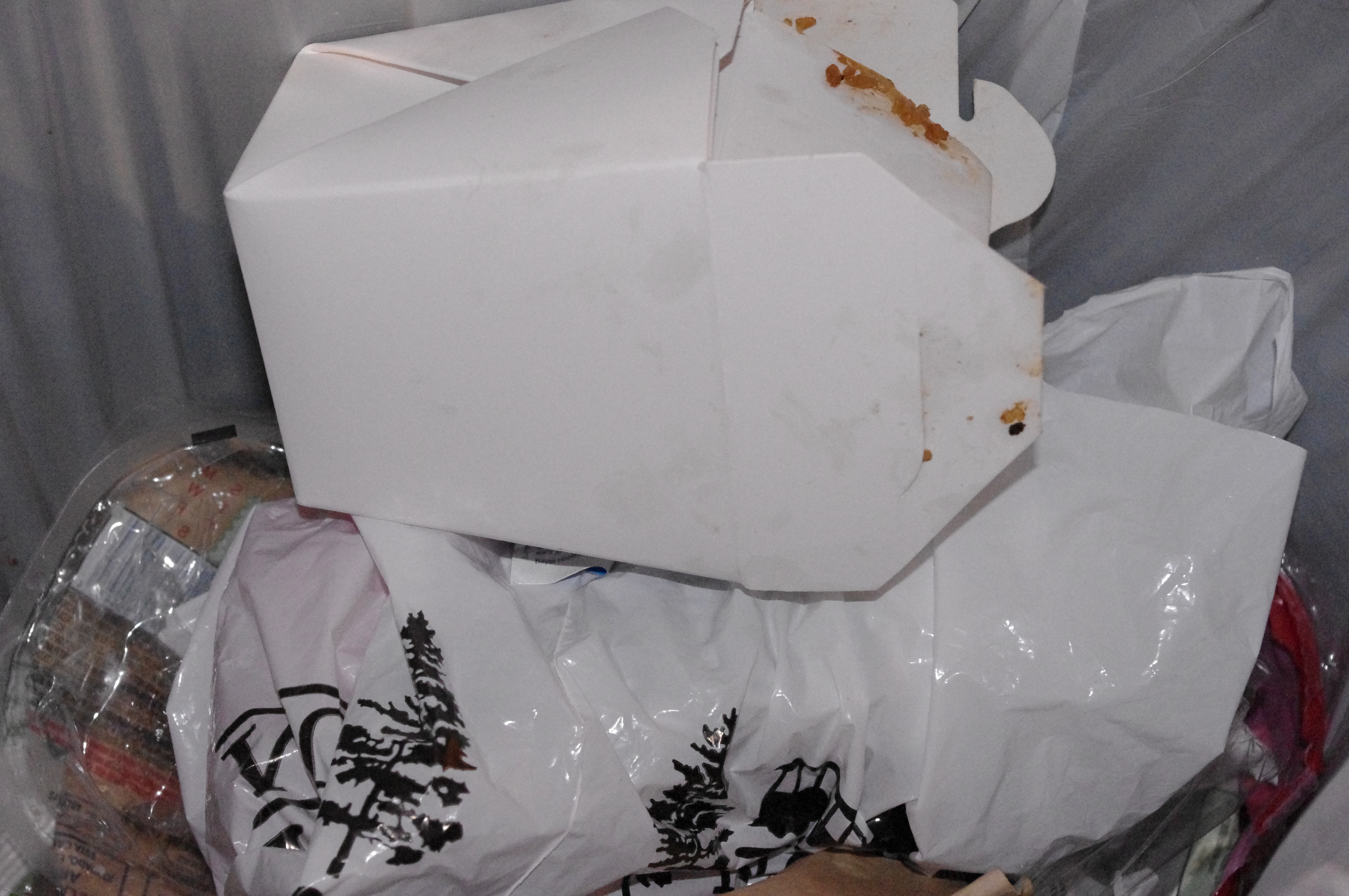
Lunch is over, the trash cans are full, but bellies are empty. So much of the food we throw away could be used to feed hungry people in our community, and we need to be more aware of that.
A little over week ago, I was listening to Diane Rehm’s segment on food waste, and it got me thinking, how much food do we actually waste and do we even notice that we are doing it?
According to the Diane Rehm’s segment, “Up to 40% of food in the United States today goes uneaten.” That 40% is worth almost 160 billion dollars, according to Rehm.
That is a lot of food to be wasting, especially when it could go to people that can’t afford to buy it.
Many stores, restaurants, and manufacturers, however, don’t give their excess food to people that could use it. According to Diane Rehm’s interview with Laura Abshire (director of sustainability at the National Restaurant Association), Elise Golan (director of sustainable development for the USDA), Tristram Stuart(founder of Feedback and author of “Waste: Uncovering the Global Food Scandal”, and Dana Gunders (staff scientist for the Natural Resources Defense Council and author of the “Waste-Free Kitchen Handbook”) the stores, restaurants, and manufacturers that don’t give their wasted food away, often believe they are not legally able to. That is a common misconception.
The Good Samaritan Act protects the donation of unused food from stores, restaurants, and manufacturers. Any food that is deemed wholesome can be donated.
Tax cuts are also available in some cases. According to Feeding America, “under IRC Section 170 (e) (3), a corporation is entitled to a deduction with respect to a contribution to a public charity or to a private operating foundation of appreciated property described in IRC Section 1221 (1) and (2).”
On the local level, The Kroger Company partners with Bringing Hope to the Table, an organization dedicated to donating meals to people in need. Through this program, Kroger stores donate any perishable food items that remain edible. Donations are sent to a community’s local food bank; for Hamilton, that includes the Free Store Food Bank and its partners.
Although there are programs that help us fight food waste through major donations from stores, we need to fight it at the individual level. With greater awareness of what we are wasting and by making the most of what we have, we can stop food waste and in turn feed the hungry.
“We, the people, do have the power to stop the tragic waste of resources if we regard it as socially unacceptable to waste food,” says Tristram Stuart in his Ted Talk, The Global Food Waste Scandal.